
Moncage APK (FULL GAME)

Description
Few puzzle games rethink how players interact with space as boldly as Moncage does. Developed by Optillusion and published by X.D. Network Inc., this vignette puzzle adventure traps a series of unconnected worlds inside a single rotating cube — and challenges players to find the hidden visual links between them. This post covers everything a new player needs: how the gameplay works, how to use the hint system, where to find hidden photos, how to unlock all 15 achievement medals, and the most common mistakes that cause players to get stuck.
What Is the Moncage Puzzle Game and How Does It Work?
Moncage is a perspective-based puzzle adventure released in November 2021 for PC, iOS, Android, and TapTap. Each face of the cube displays a completely different scene. Players rotate the cube until objects from two different scenes visually align, then trigger an interaction to advance the story. The concept sounds simple. However, the execution grows steadily more sophisticated as the game progresses.
The game sits in a rare category of puzzle experiences. It rewards patience, spatial thinking, and a willingness to look at ordinary objects in unexpected ways. Players who enjoy Monument Valley or Gorogoa will feel immediately at home — but Moncage adds a third-dimensional layer that neither of those games attempts. Each puzzle solution feels genuinely earned.
Optillusion designed Moncage around a low-poly art style with muted colour palettes. The visual tone shifts gradually from warm and playful to darker and more unsettling as the story develops. That tonal contrast is intentional. It mirrors the emotional arc hidden beneath the puzzles.
The Mysterious Cube and Its Six Unique Worlds
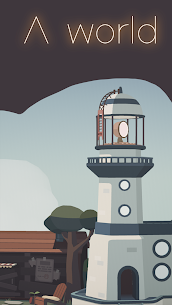
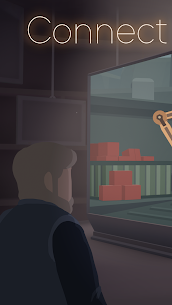
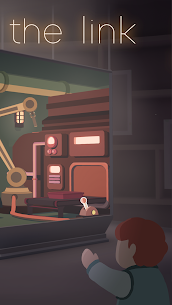
The cube in Moncage displays five visible faces at any given time, each showing a different environment. The factory scene introduces the core mechanic early with a suitcase, a toy truck, and a conveyor belt. The light tower scene adds vertical complexity. The amusement park brings faster-paced visual connections. The church scene introduces darker narrative undertones. Each world feels distinct in both visual style and puzzle logic.
Players unlock new sides of the cube by solving puzzles on the faces already visible. Therefore, the cube expands gradually rather than presenting everything at once. This pacing keeps the experience from feeling overwhelming. New players should focus on one face at a time and note any objects that glow — those are active interaction points.
How Perspective-Shifting Solves Every Puzzle
Every puzzle in Moncage relies on visual alignment. Players rotate the cube until an object on one face lines up precisely with an object on an adjacent face. When the alignment registers, an animation plays to confirm the connection. However, some alignments require a second action — such as activating a switch or zooming into a hot spot — before the animation triggers.
This is one of the most important things to understand early. A correct visual alignment does not always produce an immediate result. Players sometimes need to interact with an object after lining it up. Consequently, many players assume their solution is wrong when it is actually incomplete. Trying the solution more than once, or interacting with a nearby object, often breaks the stalemate.
How Moncage Compares to Similar Optical Illusion Games
Moncage draws frequent comparisons to Gorogoa, Monument Valley, and Vignettes. Like Gorogoa, it uses illustrated panels that interact across a grid. Like Monument Valley, it uses impossible geometry and perspective manipulation as its central mechanic. However, Moncage adds full three-dimensional cube rotation, which neither of those games offers. That extra dimension makes spatial reasoning significantly more demanding.
Players who found Monument Valley too short or Gorogoa too abstract tend to rate Moncage highly. The hint system also makes Moncage more accessible than many comparable titles. Because hints are tiered — from subtle glows to full video solutions — players of any skill level can progress without frustration.
Moncage Gameplay Basics: Controls and Core Mechanics
Moncage supports multiple input methods across platforms. On PC, players navigate using a mouse and keyboard or a controller. Both options feel comfortable, though many reviewers note that controller play allows for a more relaxed physical experience during longer sessions. On mobile, touch controls handle cube rotation and object interaction naturally.
The core loop involves three actions: rotate, zoom, and interact. Rotating the cube changes which faces are visible and how objects on adjacent faces align. Zooming into a hot spot reveals a nested micro-scene with its own set of interactions. Interacting — by tapping or clicking — triggers object animations when conditions are met. Players cycle through these three actions constantly throughout the game.
How to Rotate, Zoom, and Interact with the Cube
Rotating the cube is the primary action in Moncage. Players drag or tilt the cube in any direction to change the viewing angle. The goal is to position two objects from different faces so they appear to connect visually — like a striped hammock blending into a striped awning on an adjacent side. The exact angle matters. Slight adjustments often make the difference between a registered connection and none at all.
Zooming adds a second layer to the experience. Glowing hot spots on each face indicate areas players can zoom into. Inside those hot spots, entirely new scenes appear with their own interactive objects. Actions taken inside these nested scenes often affect the larger world outside. So changing a calendar date in a micro-scene might open a new path on the main cube face.
How Hot Spots and Nested Scenes Work
Hot spots appear as subtle glowing areas on the surface of each cube face. Players zoom into them by clicking or tapping to enter a nested scene. These inner scenes operate independently at first. However, they frequently connect to objects on other cube faces in ways that are not immediately obvious.
For example, a lever pulled inside a nested factory scene might cause a crate to move on the main face — unlocking a new alignment opportunity. Because of this, players who feel completely stuck should check all visible hot spots first. A missed zoom interaction is one of the most common reasons players stall.
What Happens When You Solve a Puzzle
Each successfully solved puzzle triggers an animation that bridges two cube faces. Objects from one scene interact with objects from another — a truck drives across a bridge, a crate rolls through a conveyor belt, or a shadow aligns with a target. After the animation completes, the solved face updates with a new scene. This refreshed scene introduces a fresh set of objects and potential connections.
Progress therefore feels continuous rather than broken into discrete levels. One puzzle leads naturally into the next. Players rarely experience a hard stop between challenges. As a result, the pacing feels more like exploring a living world than completing isolated stages.
How the Moncage Hint System Works
Moncage includes a three-tier hint system designed to prevent players from getting permanently stuck without making help feel like a penalty. The system is generous by design. Using hints does not lock players out of achievements unless the achievement specifically requires solving a puzzle on the first attempt.
The hint system reflects the developers’ understanding that perspective puzzles can tip from satisfying to frustrating very quickly. By providing a safety net at every stage, Moncage keeps the experience enjoyable for players of widely different puzzle-solving abilities. First-time puzzle game players can rely on hints heavily and still enjoy the full story.
Focus Mode, Hint Texts, and Video Unlocks Explained
The first tier of the hint system is Focus Mode. Pressing the designated button causes important objects in the current scene to glow more prominently. This nudges players toward the relevant items without pointing to a specific solution. Focus Mode works like a quiet suggestion rather than a direct answer.
The second tier provides written hint texts. These offer more specific clues about what action to take or which objects to align. Players who activate Focus Mode and still feel uncertain can progress to hint texts for clearer direction. The third tier is the most direct: a short video clip showing the exact solution. This video option unlocks only after players exhaust the earlier tiers.
When to Use a Hint and When to Keep Trying
A good rule of thumb is to rotate the cube fully before reaching for a hint. Players should check every visible face, zoom into every hot spot, and try any alignment that seems close — even if it does not register immediately. Many solutions require a secondary interaction after visual alignment. So a seemingly failed attempt may actually be a correct alignment with a missing step.
However, spending more than ten minutes on a single puzzle with no progress is a reasonable signal to activate Focus Mode. Frustration reduces the enjoyment of the experience. Because Moncage’s puzzles are designed to feel rewarding rather than punishing, using hints is not a failure — it is the intended design.
Does Using Hints Affect Achievements or Medals?
Using the standard hint system does not block players from earning most achievements. The majority of Moncage’s 15 medals relate to specific actions during particular puzzles — not to whether a player used hints. For example, the Quick Reaction achievement requires aligning the yellow slides on the first attempt. The Sharpshooter achievement requires completing the shooting gallery without missing.
Therefore, players chasing a full medal collection should pay close attention to puzzle-specific achievements before attempting certain sequences. Missing a timed achievement cannot be undone without restarting. However, most medals remain available regardless of hint usage throughout the rest of the game.
How to Collect All 28 Photos in Moncage
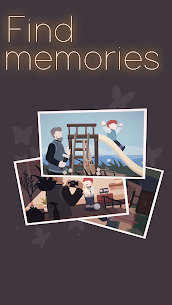
The 28 hidden photos scattered throughout Moncage represent the game’s primary storytelling mechanism. Unlike most narrative games, Moncage delivers its story almost entirely through these collectible images rather than dialogue or cutscenes. Collecting every photo reveals a deeply emotional tale about a father, his son, and the long shadow that war casts over both of their lives.
Players who skip photos will finish the puzzles but miss much of the emotional impact the game is designed to create. Because photos hide in corners and unusual angles of each scene, they require deliberate exploration beyond simply solving each puzzle. Active searching — rather than passive playing — is necessary to collect them all.
Where to Find Every Hidden Photo in Each Scene
Photos appear throughout the game in obscure locations. The first photo appears in the factory scene: players must open the workbench drawer after gaining access to the third cube face. Subsequent photos are tucked behind objects, hidden at unusual zoom angles, and placed in areas players might overlook while focusing on puzzle solutions.
A useful approach is to zoom into every available hot spot after solving each puzzle — before moving to the next scene. New photos sometimes become accessible only after a puzzle is solved, since solving it changes the layout of the scene. Therefore, players should rescan each updated face before progressing.
What the Photos Reveal About the Story
The photos depict moments from the life of a man and his son. Early images show ordinary, warm scenes — a trip to the fairground, a quiet home, shared moments of simple happiness. As players progress and collect more photos, the story turns darker. Military recruitment files appear. Wartime experiences unfold. One particularly striking image captures the man’s traumatic reaction to fireworks during what should have been a celebratory outing.
The photos deliberately appear out of chronological order. Moncage does not arrange them sequentially. Instead, players piece the story together gradually — the same way the cube’s scenes gradually reveal their connections. The fragmentary nature of the narrative is intentional. It mirrors the fragmented, incomplete way trauma is remembered.
The Hidden Story Behind the Cube
The full story in Moncage centres on loss, time, and the weight of war on ordinary lives. The cube itself functions as a metaphor for memory — different moments from the same life, compartmentalised into separate rooms that still bleed into each other. Players who collect all 28 photos and pay attention to how the puzzle interactions mirror the narrative themes will find the ending significantly more affecting.
The game’s secret ending adds another interpretive layer. It recontextualises several earlier moments and invites players to reconsider the relationship between the cube’s scenes and the events of the story. Many players report genuine emotional responses to the final sequence — particularly those who collected every photo.
Moncage Achievements and Medals: Full Breakdown
Moncage includes 15 achievements, each paired with a uniquely designed medal. The medals function as both a completion reward and a visible record of a player’s skill and thoroughness. Collecting all 15 represents a genuine challenge — several achievements require precise timing or specific actions during non-repeatable puzzle sequences.
However, the achievement system is designed to add replay value rather than to punish players. Because most medals relate to deliberate in-game actions rather than arbitrary difficulty spikes, players who pay attention and explore carefully can earn the majority of them on a first playthrough.
What Each of the 15 Achievement Medals Represents
Each of the 15 medals corresponds to a specific accomplishment in the game. Some medals reward exploration — such as finding a certain number of hidden photos. Others reward precision — like completing the Sharpshooter challenge without missing a single shot in the shooting gallery sequence. The Quick Reaction medal rewards players who align the yellow factory slides correctly on the very first attempt.
Several medals carry names that hint at the game’s thematic content — referencing wartime, memory, and discovery. The Exhaustive Method medal, for example, rewards players who try every possible path in the mine cart sequence before selecting the correct one. Each medal name reflects the specific moment or behaviour it commemorates.
How to Unlock Tricky Achievements Like Quick Reaction and Sharpshooter
Quick Reaction is one of the earliest trickable achievements. It appears during the factory section when players must align the yellow slide inside the factory with the yellow playground slide outside — immediately after rotating the view. The window for this alignment is brief. Players should prepare the rotation angle in advance and execute it as soon as the animation allows.
Sharpshooter requires players to hit every target in the shooting gallery sequence without a miss. Before attempting the sequence, players should zoom out of the gun, reposition the moving target using the shadow alignment method, and ensure the target is stationary before firing. Rushing either of these puzzle sequences forfeits the achievement permanently in that playthrough.
Why Completing All 15 Medals Is Worth the Effort
The medal collection system gives Moncage significant replay value beyond its core four-hour runtime. Players returning for a second playthrough — armed with knowledge of what to look for — often discover story details and visual details they missed completely the first time. The experience of replaying Moncage with full awareness of the narrative is qualitatively different from a blind first run.
Additionally, completing all 15 medals unlocks a deeper appreciation of Optillusion’s design philosophy. Every achievement corresponds to a moment in the game where players can choose the path of least resistance or engage fully with what the puzzle is asking. The medals reward the latter choice every time.
Best Moncage Tips and Tricks for Beginners
Moncage rewards a particular mindset: slow, methodical, and curious. Players who rush through scenes looking for obvious connections tend to miss the subtle hot spots and secondary interactions that unlock progress. The most effective approach is to treat each cube face as a self-contained scene worth examining thoroughly before rotating.
New players often underestimate the importance of zoom. The nested micro-scenes accessible through hot spots contain interactions that directly affect the main cube faces. Skipping them — or not noticing they exist — leads to stalls that feel like dead ends but are actually missed entry points.
How to Think About Perspective Before Rotating the Cube
Before rotating, players should identify all visible objects on every face and ask one question: which objects on different faces could plausibly connect visually? A striped pattern on one face might match a stripe on another. A pipe end on one scene might align with a pipe opening on an adjacent face. Training the eye to look for shape, colour, and size matches — rather than logical or thematic ones — is the core skill Moncage develops.
Players who think in terms of real-world object function often struggle. Moncage does not ask whether objects would logically connect. It asks whether they visually align from a specific angle. A trash can and a gun barrel connect not because they are related but because they share a cylindrical shape and the right relative position on the cube.
How to Use Zoom to Find Hidden Interaction Points
Zoom is underused by most beginners. Every face contains at least one hot spot — often more. Players should zoom into every glowing area on every visible face after each puzzle, not just the areas that seem directly relevant to the current challenge. Changes made inside a nested scene sometimes affect a completely different face of the cube. So a seemingly irrelevant micro-scene interaction may be the key to unlocking a connection elsewhere.
A useful habit is to zoom in, make any available interaction, zoom out, and then rotate the cube to check whether anything on another face has changed. This systematic approach catches most of the hidden interactions that cause players to stall.
What to Do When a Puzzle Seems Impossible
First, check every hot spot on every visible face. Second, zoom into any nested scene and interact with anything available. Third, rotate the cube slowly and look for any alignment that seems close — then try triggering an interaction at that angle even if the fit is not perfect. Fourth, check that a previous alignment has not left an object in a position that is blocking a new connection.
If none of these steps produce progress, activating Focus Mode is the right move. Moncage’s difficulty occasionally crosses into genuinely frustrating territory — particularly around puzzles involving moving targets or timed sequences. Using the hint system in those moments is exactly what it is designed for.
Common Moncage Mistakes and How to Avoid Them
Many players who get stuck in Moncage are not stuck because the puzzle is unsolvable. They are stuck because of one of a small set of recurring errors. Understanding these mistakes in advance reduces frustration significantly and keeps the gameplay experience enjoyable from start to finish.
The game’s feedback system is intentionally minimal. There are no wrong-answer notifications or explicit failure states. This means players can spend considerable time attempting solutions that are not working — without knowing whether the issue is the solution itself or the execution of an otherwise correct approach.
Why Correct Solutions Sometimes Do Not Register
The most common source of confusion in Moncage is a correct visual alignment that does not trigger an animation. This happens for two reasons. First, the alignment angle may be slightly off — even a small deviation prevents the game from registering the connection. Second, the solution may require a secondary interaction — such as clicking a lever or interacting with a nearby object — after the visual alignment is in place.
Players who encounter this situation should try adjusting the cube angle slightly and repeating the interaction. They should also check whether any object in the scene needs activation before the alignment will register. Many of the game’s most elegant puzzles involve two-step solutions that only reveal themselves when players attempt the first step deliberately.
Missing Photos That Change the Whole Story
Players who focus entirely on puzzle solutions and ignore exploration consistently miss photos. Because photos hide in corners, behind objects, and at unusual zoom angles, they require active searching rather than incidental discovery. A player can complete every puzzle in Moncage and collect fewer than half the photos if they never deliberately scan each scene after solving it.
The consequence of missing photos is a significantly diminished story experience. The emotional arc of the father-son narrative requires most or all of the photos to land with full force. Players who reach the ending without collecting photos often report finding the story vague or unsatisfying — not realising that the missing pieces were available throughout the game.
Rushing Through Scenes Without Checking Hot Spots
Speed is the enemy of progress in Moncage. Players who rotate quickly between faces and attempt obvious alignments without zooming into hot spots routinely miss the interactions that unlock the next puzzle stage. A nested scene interaction that takes thirty seconds to find can be the entire key to a puzzle that otherwise seems completely inaccessible.
The solution is simple: after every solved puzzle, zoom into every available hot spot on every visible face before rotating onward. This habit takes extra time but prevents the vast majority of stalls that new players experience. Moncage rewards thoroughness consistently and punishes rushing just as consistently.
Frequently Asked Questions About Moncage
How long does it take to finish Moncage?
Most players finish Moncage in three to five hours, depending on how often they use hints and how thoroughly they explore each scene. Players hunting all 28 photos and all 15 achievement medals should expect closer to five to six hours. A second playthrough with full knowledge of the puzzle solutions typically takes around two hours.
Is Moncage available on Nintendo Switch?
Moncage launched in November 2021 for PC via Steam, iOS via the App Store, Android via Google Play, and TapTap. A Nintendo Switch release was announced but had not yet launched at the time of the original release. Players interested in the Switch version should check the official Moncage channels or Nintendo eShop for the latest availability update.
Does Moncage have multiple endings?
Moncage has a standard ending and a secret ending. The secret ending becomes accessible through specific actions during the final sequence. Players who collect all hidden photos and pay close attention to the narrative throughout the game are more likely to recognise the conditions for the secret ending. Many players who reach the secret ending report that it reframes the entire story in a meaningful way.
Moncage Puzzle Game: Final Verdict and Player Recommendation
Moncage is one of the most inventive perspective-based puzzle games available across any platform. Its core mechanic — rotating a cube to align objects across different scenes — sounds straightforward but generates puzzles of genuine ingenuity and occasional real difficulty. The hint system makes it accessible. The hidden photo narrative makes it emotionally substantial. The 15 achievement medals make it worth revisiting.
Players who enjoy deliberate, visually driven puzzle experiences and appreciate games that trust them to piece together a story without hand-holding will find Moncage deeply satisfying. Players who prefer fast-paced action or clear narrative delivery may find the experience too slow or too fragmented for their tastes.
Moncage is best approached with patience and curiosity. Zoom into everything. Scan every face after every solved puzzle. Collect every photo. The game rewards that thoroughness with some of the most surprising and elegant puzzle solutions in the genre.
Images

Download links
ℹ️ Download link not working? Please refresh the page and try again.
Developer's apps





New Apps
Most Played Mobile Games


