
Stock Car Racing MOD APK (Free Shopping)

Description
Detachable panels fly off your car the moment a wall meets your bumper at full speed. This post is written for players who are new to Stock Car Racing and want a clear picture of how it plays before jumping in. It covers the core controls, the Class Events system, the crash damage mechanic, and the cash-based progression that unlocks new cars and tracks.
Stock Car Racing Game Overview
Minicades Mobile built this Stock Car Racing gameplay experience around one idea: close, chaotic oval racing where contact between cars is expected, not avoided. The core loop asks you to finish races high enough to earn cash, then spend that cash on faster cars and better tracks. Because the tone stays grounded in real short-track racing culture, there is no story mode or cast of characters here. Instead, the setting itself carries the identity, from banked ovals to muddy dirt tracks.
The tone leans arcade over pure simulation, so new players can jump in without studying tuning charts first. That said, the physics still punish careless driving, which keeps the racing satisfying for experienced players too.
What the core mechanic is and how it works
Every race in Stock Car Racing plays out on a closed oval or dirt loop, and your job is simple: cross the finish line ahead of the field. You control throttle and brake with on-screen pedals, then steer with directional arrows or tilt controls. Because cars run close together, contact happens constantly, and the outcome depends on how well you manage that contact rather than just how fast you drive in a straight line.
Speed alone rarely wins a race here. Instead, players who read the pack, time their passes, and protect their car’s condition tend to finish stronger over a full event.
The setting and tone of oval track racing
The setting draws directly from American short-track racing, with banked ovals, dirt loops, and stunt-truck arenas standing in for a traditional story. There are no named factions or characters to follow, so the identity of the game comes from its tracks and its nearly 300 available cars instead. This keeps the focus squarely on driving skill and car management.
Because there is no narrative layer, sessions stay short and repeatable. You can jump into a single Hot Lap attempt or commit to a longer Championship run depending on how much time you have.
How Stock Car Racing compares to Dirt Trackin 2 and Sprint Car Dirt Track Racing 2
Dirt Trackin 3 leans harder into dirt track realism, with sliding physics that reward a more technical driving style than the oval-first approach used here. Sprint Car Dirt Track Racing 2 narrows its focus even further, sticking almost entirely to sprint car classes and career progression rather than mixing oval, dirt, stunt truck, and open-wheel events in one app.
Stock Car Racing sits between those two by offering variety. Where Dirt Trackin 2 asks for patience with slippery corners, this title moves faster and forgives more mistakes, which suits players who want quick multiplayer sessions over a long simulation curve.
Stock Car Racing Gameplay Mechanics and Controls
Controls in Stock Car Racing stay simple on the surface, but small adjustments change how a race unfolds. You choose between touch steering, tilt steering, or a virtual wheel, and each option changes how precisely you can thread through traffic. Two mechanics matter beyond basic driving: how the game supports newer players through races, and how a completed lap or event gets scored.
Because contact is constant, the controls also need to help you recover quickly after a spin. That recovery speed often decides whether a mistake costs you one position or an entire race.
Tapping the pedals and steering arrows
The default control scheme uses two pedals for throttle and brake, plus arrows for left and right steering. This setup gives you direct, predictable input, which matters when you are fighting for a lane at high speed. Because the inputs are binary rather than analog, timing becomes more important than fine motor precision.
New players often brake too late into the first few corners. Once you learn how early this game expects you to lift off the throttle, lap times and consistency both improve quickly.
Tilt steering and the rubber-banding assist
Switching to tilt steering hands lateral control to your device’s accelerometer, which some players find more natural for tight corners. A rubber-banding assist also helps you recover after contact, nudging your car back toward a manageable line instead of leaving you stuck against a wall.
This assist does not remove skill from the equation. Instead, it shortens the punishment for a single mistake so that one bad corner does not end your race outright.
What happens when a race or event is completed
Crossing the finish line triggers a results screen showing your placement, cash earned, and any championship points collected. Better finishes pay out more cash, which directly funds the upgrades covered later in this post. Class Events and multiplayer races also track separate leaderboards, so a strong Weekend Cup run can boost your standing even if your regular Ladder progress moves more slowly.
Because payouts scale with difficulty, pushing into harder Regulation settings earlier can speed up how quickly you afford new cars.
Class Events: Dirt Racing, Stunt Trucks, and Open-Wheel
Class Events add three distinct racing styles on top of the standard oval format, each restricted to its own vehicle class. Dirt Racing swaps grip and traction entirely, Stunt Trucks reward controlled aggression over pure lap speed, and Open-Wheel racing tightens the margin for error even further. Together, these events give Stock Car Racing gameplay more variety than a single oval mode could offer alone.
Each Class Event uses its own dedicated cars, so success in one class does not automatically translate to another. Understanding what each class actually rewards makes the switch between them far less frustrating.
Dirt Racing Event tracks and restricted vehicle classes
Dirt Racing Events run on loose-surface tracks that behave nothing like the paved ovals used elsewhere. Traction drops noticeably, so throttle control matters more than raw speed. Vehicle-class restrictions also mean you cannot bring a standard oval stock car into these events, which keeps the competition even across all racers.
Because slides happen constantly here, learning to correct a drift smoothly becomes the single most useful skill for this event type.
Stunt Truck jumps and stunt scoring
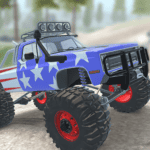
Stunt Truck events shift the goal away from simple lap times toward big jumps and monster-truck style stunts. Landing a jump cleanly protects both your speed and your car’s condition, while a bad landing can stall momentum for several seconds. This event rewards players who commit fully to a jump rather than hesitating mid-air.
Because these events feel different from anything else in the app, they work well as a change of pace between longer Endurance sessions.
Open-Wheel precision racing
Open-Wheel racing strips away some of the forgiveness found in stock car classes, since these vehicles react faster to steering and braking input. Tight, contested races punish oversteering hard, so smoother inputs consistently outperform aggressive ones. This class suits players who already feel confident with the base controls and want a sharper challenge.
Because margins are thinner here, even small upgrades to handling can noticeably change how competitive you feel in this class.
Crash Damage and Vehicle Customization
Crash physics sit at the center of what makes Stock Car Racing gameplay feel different from a typical arcade racer. Contact causes real, visible damage, including panels that detach entirely during a hard hit. Alongside that damage system, the Paintshop and upgrade menus let you shape both the look and performance of your growing car collection.
These two systems connect directly. A car that looks great in the Paintshop still needs solid chassis and tire upgrades to survive repeated contact on an oval.
The detachable panel damage system
Hard impacts can knock hoods, bumpers, and doors clean off a car, and the resulting damage affects handling in real time. A car missing a hood may lose top speed, while one with a damaged chassis can pull noticeably to one side. This system turns every close pass into a real risk rather than a cosmetic threat.
Because repairs cost cash, players quickly learn to weigh aggressive overtakes against the cost of fixing the damage those moves create.
The Paintshop and livery customization
The Paintshop lets you set team colors, apply decals, and choose racing numbers for each car in your garage. None of this affects performance directly, but it gives longtime players a way to personalize a car they have invested heavily in. Many players treat a fully customized livery as a reward in itself after grinding through several races.
Because customization options expand as you unlock more cars, the Paintshop becomes more interesting the longer you play.
Engine, tire, and chassis upgrades
Performance upgrades split across three categories: engine, tires, and chassis, each affecting a different part of how a car handles. Engine upgrades push top speed higher, tire upgrades improve grip through corners, and chassis upgrades help a car absorb contact without losing control. Balancing all three matters more than maxing out just one.
Because upgrade costs rise as a car gets faster, planning which category to prioritize first can save a meaningful amount of cash.
Stock Car Racing Cash, Progression, and Car Unlocks
Cash drives nearly every decision in Stock Car Racing gameplay, from which car you can afford next to how quickly you unlock new tracks. Every race modes pays out cash based on your finishing position, and Class Events often pay more due to their added difficulty. Understanding how this economy works early on prevents the frustration of grinding races without a clear goal.
Two systems matter most here: how new content actually unlocks, and what waits for players who reach the far end of progression.
How the in-game cash system works
Cash rewards scale with both your finishing position and the difficulty setting you chose before a race. Regulation mode lets you raise difficulty for bigger payouts, while Endurance races offer large lump sums for players willing to commit to a full 400-lap distance. Multiplayer events like the Weekend Cup add another cash source layered on top of standard race modes.
Because payouts vary this much between modes, mixing in a few harder races often beats grinding the same easy race repeatedly.
Which cars and tracks unlock as you progress
New cars, dirt tracks, and Class Event vehicles unlock as your cash total and race history grow, giving you clear short-term goals throughout a session. Some cars require specific track qualifications before they become available, which pushes players to try modes they might otherwise skip. This structure keeps the garage feeling like it is always one good race away from expanding.
Because unlock requirements vary by car, checking the garage screen regularly helps you plan which races to prioritize next.
What full progression rewards look like
Reaching deeper into the garage unlocks higher-tier stock cars, specialized Class Event vehicles, and access to tougher Regulation settings with better payouts. Leaderboard standing also improves as your car collection grows, since faster, better-upgraded cars naturally perform better in Ladder and Championship modes. For committed players, this creates a long tail of goals well past the early hours of play.
Because later unlocks demand significantly more cash, saving rather than spending impulsively pays off the longer you play.
Advanced Tactics and Common Mistakes in Stock Car Racing
Once the basics click, most performance gaps come down to a handful of habits rather than raw skill. Endurance mode alone punishes poor cash and damage management far more severely than any single short race. Meanwhile, several avoidable mistakes quietly slow down new players without them realizing it.
Fixing these habits usually improves results faster than chasing another car upgrade.
Managing 400 laps in Endurance mode
Endurance races stretch to a full 400 laps, which means small damage accumulated early can snowball into a serious handling problem by the final stretch. Pacing your aggression matters more here than in shorter modes, since a single reckless move early can cost you far more time later through reduced top speed. Treating the first hundred laps as a conservative warm-up tends to produce stronger overall results.
Because a paused Endurance race can sometimes reset progress, finishing in one sitting whenever possible avoids losing hard-earned laps.
Overspending cash before Class Events
Many players spend cash on oval-class upgrades without saving for the specialized vehicles required in Dirt Racing, Stunt Truck, or Open-Wheel events. This leaves them under-equipped the moment they try a Class Event, since standard cars cannot enter these restricted races. Setting aside a cash reserve before exploring these modes prevents that gap.
Because Class Event cars have their own upgrade paths, budgeting for them separately from your main garage keeps progression balanced.
Ignoring damage warnings mid race
Visual damage cues, like a dragging bumper or smoke trailing from the hood, signal real handling penalties rather than cosmetic flair. Ignoring these warnings and continuing to push hard often leads to a spin or a lost position that a slightly more cautious lap could have avoided. Reading your car’s condition becomes as important as reading the track itself.
Because repair costs scale with damage severity, addressing problems early through cautious driving saves cash in the long run.
Best Stock Car Racing Tips and Tricks for Beginners
A handful of habits separate players who climb the Ladder quickly from those who stall out early. These tips focus specifically on reading track banking, managing cash for repairs instead of new purchases, and using Hot Lap sessions as low-risk practice.
Each tip below targets a mechanic unique to how this game’s oval and dirt tracks behave, rather than generic racing advice.
Reading the track banking before you commit to a line
Banked corners on Stock Car Racing’s oval tracks let you carry more speed than flat corners would allow, but only if you commit to the correct racing line early. Cutting a banked corner too tightly wastes the extra grip the banking provides, while running too wide invites contact from cars behind you. Studying a track’s banking pattern during Practice mode before racing it competitively pays off quickly.
Because banking angle differs by track, this knowledge does not transfer perfectly between tracks and needs rebuilding each time.
Saving cash for chassis repairs instead of new cars
New players often chase new car purchases the moment they have enough cash, leaving nothing for chassis repairs after a rough race. A damaged chassis quietly reduces performance across every mode until repaired, which can undo the benefit of a faster car entirely. Keeping a repair buffer before buying anything new protects your actual race results.
Because chassis damage compounds over repeated races, this habit matters even more heading into Endurance mode.
Practicing Hot Lap before entering Ladder mode
Hot Lap mode isolates a single fast lap attempt with no traffic to worry about, making it an ideal space to learn a new car’s handling before risking cash in Ladder mode. Testing braking points and throttle timing here translates directly into better Ladder results, since Ladder opponents get progressively faster. Skipping this step often means learning the hard way mid-race instead.
Because Ladder mode punishes early mistakes heavily through cash loss, this preparation step saves both time and money.
Frequently Asked Questions About Stock Car Racing
Is Stock Car Racing free to play on Android and iOS?
Yes, Stock Car Racing is free to download on both Android and iOS. The core game remains fully playable without spending money, though optional in-app purchases let players speed up car and upgrade purchases. Ads appear occasionally but stay skippable in most cases, and Minicades Mobile continues supporting the app with regular free updates.
How many laps does the Endurance mode in Stock Car Racing include?
Endurance mode in Stock Car Racing runs a full 400-lap distance, making it the longest race format in the game. This mode tests both driving consistency and damage management over an extended session rather than a quick sprint. Players who pace their aggression carefully across those laps tend to see the strongest final results.
Does Stock Car Racing add new cars and tracks with updates?
Yes, Minicades Mobile regularly updates Stock Car Racing with new cars, tracks, and event content. Recent updates have added Class Events like Dirt Racing, Stunt Trucks, and Open-Wheel racing alongside new tracks and vehicles. This ongoing support keeps the garage and track list growing well beyond the game’s original launch content.
Who Should Race in Stock Car Racing
Stock Car Racing suits players who enjoy close, contact-heavy competition over slow, technical simulation driving. Beginners will appreciate the simple controls and rubber-banding assist, while experienced players get real depth through Class Events, cash management, and crash damage that actually matters. After spending real time across Ladder, Endurance, and the Weekend Cup, the variety between oval, dirt, stunt truck, and open-wheel racing genuinely kept races feeling fresh rather than repetitive. Anyone looking for a free, arcade-leaning oval racer with real stakes attached to every crash will find plenty to enjoy here. Stock Car Racing earns a confident recommendation for casual and competitive mobile racers alike.
Images


Download links
ℹ️ Download link not working? Please refresh the page and try again.
Related apps




What's new
• Thunderdome 100 Night: race under the lights
• Thunderdome Derby: a new demolition track
• 13 spooky Halloween cars in the shop
• Repair reminders: get a notification when your car is fully repaired
• Crash fixes and smoother performance
New Apps
Most Played Mobile Games


