
Sol Cesto APK (FULL GAME)

Description
Sol Cesto sends you down a randomly generated underground world where one row choice decides which of four tiles you land on. New players who keep dying to a poison trap in the first rooms will find the odds sorted into a plan here. Every tile in a chosen row starts at a 25% chance, so each click is a small bet you can price before you commit.
How to Play Sol Cesto and Read the Combat Grid
To play Sol Cesto, pick one of four rows on the combat grid and wait for the random landing. The game drops you onto one of the four tiles in that row, and a chest, a strawberry, a monster, or a poison trap decides what happens next. Chests pay coins, strawberries heal one point, and the rest cost health.
Goblinz Publishing backs this tactical roguelite from the trio Tambouille, Géraud Zucchini, and Chariospirale. Its risk-first design sits close to Card Crawl and Dicey Dungeons on Android, yet the row choice gives it a flavor of its own.
Seven characters and five biomes sit behind that single decision. Each descent through the underground world asks the same question: which row costs the least?
How the Four-Row Choice and 25% Tile Odds Work
The grid has four rows, and each row holds four tiles. When you pick a row, the game rolls one of those tiles, and every tile starts with a 25% chance. That flat split makes the first rooms easy to read.
The math gets useful fast. A row with one monster, one trap, one chest, and one strawberry gives you a one in four shot at each result, so two bad tiles mean a 50% chance of pain. In my runs, I click the row with the fewest bad tiles and ignore the shiny chest.
The Underground Setting and the Lost Sun Premise
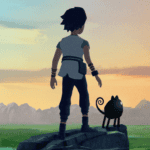
The sun vanished countless years ago, and your character descends to find it. Every level of the world below is generated at random, so no two descents look the same.
The tone sits between whimsy and menace. Strange inhabitants talk to you, and some share secrets that change a run. However, sinister curses and hidden dangers keep the mood tense.
Sol Cesto vs Card Crawl, Dicey Dungeons and the PC Version
Card Crawl and Dicey Dungeons both turn luck into a puzzle on Android. Card Crawl asks you to play cards against a dungeon, while Dicey Dungeons hands you dice. Sol Cesto instead gives you a row and lets the odds do the rest.
The game also exists on PC, where it launched through Steam. With a mouse, hovering over a row shows the chance of each tile. Phones have no cursor, so touch players should check how the Android build shows those numbers before they commit to a row.
Combat Grid Controls and Tile Outcomes
The combat grid is a 4×4 board where each move is a row choice that resolves into one tile outcome. Controls stay minimal because you only click or tap a row. Each row sits in a fixed line, so you always see all four options before you commit. The depth lives in the numbers behind that tap.
Four tile types appear: chests, strawberries, traps, and monsters. Chests pay coins, and strawberries heal one point. However, traps and monsters cost health unless your stats cover the hit.
Every successful visit moves the door counter forward. That counter, not your health bar, sets the pace of a run. As a result, a run feels like a string of small bets with one clear target.
Choosing a Row and Watching the Percentages
Hovering over a row on PC flashes the chance of landing on each of its four tiles. Those percentages start at 25% and shift as you collect teeth. Read them before every click.
I treat the percentages as a price tag. A row with three harmless tiles and one monster costs very little, even when the chest sits elsewhere. Meanwhile, a row hiding two traps costs plenty, no matter how many coins the other tiles promise.
Chests, Strawberries, Poison Traps and Monsters
Chests hold coins, and coins are the currency that carries your progress forward. Strawberries heal one point, which sounds small until a run hangs on a single health point. A strawberry row can be the best row on the board when you are low.
Monsters and traps both cost health, and the biomes change how they behave. The poison trap is the tile I respect most, since it can strike with no monster in sight. Therefore, I check for it before I look at anything else.
What Happens When You Fill the Door Counter
Each successful visit adds one point toward the next level. Five points open the door by default. Items and events can change that number, so check it after every room.
Opening the door ends the current grid and drops you deeper into the underground world. Then a fresh grid appears and the count starts again. The five point target works as a clock for the whole run.
How to Unlock All Seven Sol Cesto Characters
Players unlock new Sol Cesto characters by winching coins to the surface in the bucket and spending them under the starry sky after a run ends. Seven characters exist in total, and each brings distinct powers, stats, and abilities that change how a run plays. Every unlock stays permanent.
The roster starts small, with most characters shown as silhouettes outside the cave entrance. Each unlock gives you a new way to attack the same four rows, which keeps this roguelite fresh run after run.
Special powers matter because they bend the odds in ways stats alone cannot. A character with a strong power turns a bad grid into a playable one. A plain starter, by contrast, relies on teeth and luck.
The Peasant, the Warrior and the Wizard
The Peasant looks like the weakest pick in the roster. One reviewer calls his special ability the strongest in the game, so do not judge him by his looks.
The Warrior and the Wizard each carry a unique special power. Because the abilities differ, switching between the three shows quickly how much one power changes a row. I suggest trying all three before chasing the rest of the roster.
Character Stats, Powers and Abilities
Each of the seven characters starts with its own stats and a signature power. Those numbers shape how you survive a monster row, so compare them before you pick.
Powers add a second layer. Pair a character whose power suits risky rows with teeth that nudge the odds the same way, and the run snowballs. Meanwhile, a mismatched pair wastes both tools.
Spending Coins at the Starry Sky Hub
The starry sky above the cave entrance is where coins turn into permanent progress. Spend them on new characters, abilities, and upgrades tied to the special rooms you meet underground.
Unlock order matters less than unlocking something every run. I spend coins as soon as a death screen appears, because banked coins do nothing while they sit.
How Stone Teeth and Metal Teeth Change Your Odds
Two kinds of teeth reshape every run: stone teeth change the rules and probabilities in your favor, and metal teeth trigger devastating curses and combos. Players pull both kinds from statues found between grid rooms, and each tooth joins your collection.
Teeth sit at the center of the strategy. A single tooth can rewrite how likely each tile is, which makes tooth choice more important than almost any coin purchase.
Because of that, a run built around good teeth feels different from a run built around good stats. First comes the choice at the statue, and then the payoff arrives row after row.
Stone Teeth and Shifting Probabilities
Stone teeth change the rules of the grid. They tip the scales by moving the probabilities you start with, so the default 25% split stops being the rule.
I take a stone tooth early because probability compounds. A small nudge on every row of every grid adds up faster than a one-time coin bonus. Over a long descent, that edge decides who reaches the deeper biomes.
Metal Teeth, Curses and Combos
Metal teeth carry a darker deal. They trigger devastating curses and combos, so treat each one as a high-impact pick.
Stack metal teeth that feed each other, and a run can swing from fragile to dominant in a few rooms. A metal tooth with no partner, however, is just a gamble. I wait for a pair before I commit.
Pulling Teeth From Statues
Statues appear periodically between grid rooms, each adorned with a selection of teeth. You pick one and pull it, and it joins your collection. Believe me, the image sticks with you.
Choose with your current board in mind. If monsters keep winning, take a tooth that shifts the odds. If your damage rating looks solid, a metal tooth adds punch.
How Coin Banking and Special Rooms Drive Progression
Coins only matter once they reach the surface, and the winchable bucket is the system that carries them there. That single mechanic turns Sol Cesto into a true roguelite, since coins survive your death.
Between grids, special rooms break up the routine: shops, a fishing pool, statues, and the bucket itself. Each one offers a different kind of safe choice after the risk of a row.
Items and strange underground inhabitants add one more layer. Progress here comes from smart choices at each stop, not from grinding the same row. Hidden secrets also wait in many corners, so curiosity pays off.
The Winchable Bucket and Permanent Unlocks
You deposit coins into the bucket and winch them up before you die. The deposit needs a click and hold, so a big pile takes time. Start early.
Coins left in your pockets are gone when a run ends. Banked coins, on the other hand, buy characters and upgrades at the starry sky hub. That split is the heart of how progress works here.
Shops, the Fishing Pool and Underground Inhabitants
Shops sell a wide variety of items, and the fishing pool hands out free ones. I always check the pool first, since a free item beats a paid one.
Underground inhabitants appear along the way, and some of them share secrets. Listen to them. A hidden detail can open a new item, a new room, or a new idea for your next descent.
Magical Items for Killing Enemies or Escaping Danger
Magical items split into two jobs: they eliminate enemies or help you escape dangerous situations. Both jobs bend the odds when a row looks bad.
Use escape items when a row holds two threats and no tooth can fix it. Save kill items for monsters that block the door counter. Because items come in limited supply, spend them on the rows that truly hurt.
All Five Biomes, Monsters and Poison Trap Behaviors
Five biomes make up the underground world of Sol Cesto, and each one hides monsters and traps with unique behaviors. A new biome means new threats, so habits from the first biome stop working fast.
Watch every unfamiliar monster and trap during its first room, then adjust your row choices around it. That small pause costs nothing and often saves several health points. Because each biome plays by slightly different rules, caution early beats confidence later.
Tactical thinking pays more than speed here. A calm read of the tile percentages beats a fast click almost every time. Even a strong character with a good tooth setup can lose a whole run to one bad guess.
Physical and Magical Monster Attacks
Monsters attack in one of two ways, magical or physical, and each attack carries a damage rating. If your own damage rating at least matches theirs, you take no damage. If it falls short, you pay the difference in health.
You can always kill a monster, so the real question is the exchange rate. Your damage rating against theirs decides the price of every monster tile. That makes a high rating worth more than a stack of coins.
Poison Traps and Other Biome Hazards
Poison traps sit among the four tile types and hurt you when you land on them. They never wait for a monster to show up, which makes rows with a trap risky for low health.
Biome hazards differ, so a tile that was harmless in the first biome may not be later. Treat every new biome like a new puzzle. Then adjust your row choices as the pattern shows itself.
Common Sol Cesto Mistakes That Waste Runs
Row choice mistakes in Sol Cesto usually come from chasing chests instead of avoiding bad tiles. A chest feels like progress, yet one hit from a monster can erase it. Reading the row first is a habit worth building, because the board hides no tile from view.
Three habits cost the most runs in my experience. Players ignore the percentages, ignore their damage rating, and take teeth that fight their character.
Each one is easy to fix once you spot it. The cost of each mistake climbs as the biomes get harder, so early habits carry forward. Poison traps punish careless clicks without warning.
Picking Rows Without Checking the Percentages
The percentages are free information. Skipping them is like walking into a room with the lights on and keeping your eyes shut.
I slow down for one second before every click. That pause shows me the row with the fewest bad tiles. The habit alone saved more runs for me than any item.
Ignoring the Damage Rating Against Monsters
A monster with a high damage rating hurts a weak character badly. Players who ignore the number lose health they could have kept.
Check the gap before you pick a row with a monster in it. If your rating trails theirs, aim for a different row. Otherwise you pay for the mismatch in health.
Grabbing Teeth That Fight Your Character’s Strengths
A tooth that helps one character can hurt another. Players grab the flashiest option and then wonder why the run falls apart.
Match the tooth to the plan. A character with a strong special power wants teeth that push the odds in the same direction. Therefore, pass on a showy tooth when it pulls against your build.
Best Sol Cesto Tips and Tricks for Beginners
Beginners in Sol Cesto improve fastest by controlling three things: row choice, tooth selection, and when they bank coins. The best Sol Cesto tips all come back to those three habits.
Each tip below comes from repeated descents, not from theory. Small habits compound, because a run is a long chain of small bets. Fix one habit per run, and your results climb steadily.
Luck will always play a part. Even so, a player who prices every row beats a player who clicks on a hunch.
Row Choice Tips for the Combat Grid
When your health sits at one point, a row with a strawberry and three harmless tiles beats a row with a chest and a monster. Survival comes first, coins second.
Next, scan for the row with no trap. A clean row costs nothing, even when it pays nothing. Then use the clean row to reset after a rough room.
Tooth Selection Tips for Statue Rooms
Take a stone tooth before you chase metal teeth. Stone teeth lift every row, while metal teeth need partners to shine.
Also, read what each tooth changes before you pull it. A tooth that fixes your biggest weakness beats a tooth that boosts your strongest point.
Banking Tips for the Winchable Bucket
Start winching the moment you leave a shop. That keeps your pile small and your bank full. The longer you wait, the more you risk.
Winch before a risky grid, not after. Then a bad row cannot take your coins down with it.
Frequently Asked Questions About Sol Cesto
Is Sol Cesto available on Android?
Sol Cesto launched on PC through Steam and also reached the Epic Games Store. Android players should check the Google Play listing for the current build, price, and storage needs. Tapping a row suits a touchscreen well, so the core loop translates easily to a phone.
Is Sol Cesto hard for beginners?
Difficulty comes mostly from luck, not from fast reflexes. Runs stay quick, so a failed attempt costs minutes, and every banked coin still carries over. Reviewers say the dice often outweigh planning, yet permanent unlocks make each loss useful. Beginners can treat early deaths as cheap practice.
Does Sol Cesto have replay value?
Yes. Seven characters, five biomes, and hidden secrets keep each descent different. The art direction also took the Best Art Direction award at the 3rd Thinky Awards, which shows how much care went into the world. Fans who like quick restarts will find the loop easy to repeat.
Who Should Pick Up Sol Cesto and Why
Sol Cesto suits players who enjoy push-your-luck roguelites and quick runs where one clever tooth can rescue a bad grid. Fans of Card Crawl or Dicey Dungeons will feel at home in the first hour. My honest verdict after many descents is that the odds feel fair, the art is unforgettable, and the best runs come from planning around percentages instead of hoping. Pick it up if you like numbers you can read and luck you can bend. Skip it only if you want deep, fully controlled tactics. Every row is a bet, and this game makes each one worth taking.
Images


Developer's apps








New Apps
Most Played Mobile Games


