
Last Stronghold MOD APK (Free Shopping)

Description
Last Stronghold start with one fact: your survivor attacks zombies automatically, so every fight comes down to where you walk and what you carry. New players who keep running dry on ammunition and building materials in the early chapters will get a spending order that fixes both problems. The biggest early gain comes from unlocking the ammo maker before you spend a single gem on dropped rounds, because free basic rounds keep every trip going.
How to Play Last Stronghold: Idle Zombie Survival Basics
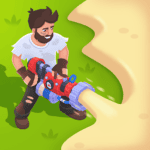
Last Stronghold is an idle simulator from SayGames where you build a fortified base, recruit survivors, and clear zombie hordes after a nuclear disaster. To play, you walk your survivor into danger, let auto-attack handle the fighting, haul loot home, and turn it into buildings and gear.
The game has been on Google Play since April 2024. It has passed 10 million downloads there, and an iOS version exists too. On Android, it needs Android 8.0 or higher to run. Older phones therefore handle it without much trouble.
My first hour felt simple, although the pressure builds fast. By the second chapter, I was juggling base building, supply trips, and a growing team. Every system feeds the others, so a slow week in one area drags down the rest.
How Auto-Attack Combat Works Against Zombie Hordes
Your survivor attacks any enemy within reach without a single tap from you. You never press a button to swing a bat or pull a trigger. Instead, your thumb only controls movement, and the game picks when to strike based on distance.
That design changes what skill means here. Good play is about position. Pull a crowd into a line, step back while the weapon resets, and never let a pack close around you. In my runs, the fighters who went down were almost always the ones I parked in a crowd.
Ranged weapons burn a bullet with every automatic shot. Melee weapons cost nothing to swing, but they wear down over time.
The Nuclear Fallout Setting and Chapter Story
The story opens after things go nuclear and the dead rise in huge numbers. You play one of the few people left, with almost nothing but a spot to build a refuge. The post-apocalyptic world is grim, yet the tone stays light.
Bright, cartoonish art softens the premise without hiding it. SayGames describes the plot as open-ended, so new areas and nastier enemies keep arriving as you clear chapters.
How It Compares to Last Day on Earth and Day R Survival
Last Day on Earth: Survival is the closest household name in this genre. It leans on hands-on crafting and dangerous raids, and it has no idle layer at all. Day R Premium goes further toward hard survival, with hunger, radiation, and long trips across a huge map.
Last Stronghold sits between casual and hardcore. It keeps the scavenging and the base upkeep. However, production ticks along while you rest, and auto-attack makes combat about movement rather than timing. That middle ground is why I kept it installed longer than either rival.
For short sessions on a phone, the mix is the real selling point. By contrast, anyone who wants tense, punishing survival will feel more at home in Day R Survival.
Last Stronghold Controls, Expedition Runs, and Base Defense
Every expedition run sends your survivor outside the walls to fight through infested areas and haul resources home. Base defense is the other half of the loop, since zombie hordes push toward your stronghold while your team holds the line.
Both loops use the same one-thumb movement. As a result, the controls stay simple even as pressure grows. What changes is the goal. On a trip you grab loot and leave, while at home you protect workers and buildings.
Most of the grind lives in these two loops. Player reviews on Google Play say the bulk of their playtime goes into replaying the same areas for crafting materials. Enemy numbers also grow as chapters advance, so both loops get harder together.
Steering Your Survivor and Grabbing Pickups
Movement runs on a single virtual stick, and everything else happens on its own. Your real inputs are direction and pace. Walk too fast into a narrow street, for example, and a pack closes the gap behind you.
Pickups work the same way, because you simply walk over loot to grab it. Some drops, however, ask for something first. Players report that certain ammunition drops cost a gem or a short ad before you can collect them. Every other resource feeds your buildings back home, so each pickup has a job.
Expedition Runs and Location Loot
Each location holds its own mix of enemies and resources. You pick a spot, fight through it, and return with whatever you gathered. Since different areas drop different materials, you end up returning to the same few places again and again.
Trips also drop weapons and clothing, so each departure is a chance at gear. A strong weapon from a good outing can carry you through several chapters.
What Happens When a Base Defense Wave Ends
Clearing a wave keeps your workers alive and your buildings running. Once the last enemy falls, the base returns to its normal rhythm. Factory production resumes, and survivors go back to their jobs.
The real reward is protection, not loot. A lost wave can stall output and leave injured fighters who need help. Then the next push arrives a little bigger, so I always refill ammunition and heal the team straight after a clear.
How to Unlock Survivors and Grow Your Stronghold Team
You unlock survivors in Last Stronghold by finding them during supply trips, then paying the materials needed to bring them back at your base. Once healed, each one can gather, produce, or fight, and more people mean more hands on every job.
The store listing frames friendship with other humans as the key to lasting through the apocalypse. The game backs that up. A lone character can clear the early areas. Later crowds, though, overwhelm anyone who fights without backup.
Bringing someone home also eats metal bars faster than almost anything else early on. That single cost shapes how I plan nearly every trip. A new team member is the biggest upgrade available in the first chapters.
Finding Stranded Survivors on the Map
Survivors wait in specific areas on the world map, often inside zones packed with the undead. First you clear the area, and then you reach them.
I treat each rescue zone like a small siege. Clear the edges, pull stragglers away, and only then push toward the person you came for. Rushing straight in tends to end with your own character needing help.
Survivor Recovery Costs in Metal Bars
Reaching someone is only half the job. Bringing them back to working shape takes output from your crafting stations. Metal bars are the big one. One Google Play player reported needing more than 700 of them, plus other supplies, for a single rescue.
That number explains why the grind feels heavy. The developer replied to that review and acknowledged the crafting costs, so the balance may shift over time. For now, plan each rescue as a project spanning several trips.
Assigning Fighters and Reviving Them Mid-Wave
Rescued teammates can back you up in combat. Players who field two fighters report a much easier time than those with one, because a lone defender draws the whole crowd.
Revives are the catch. One App Store reviewer timed their fighters and found none lasted longer than about 7 minutes in a heavy wave. Reviving them usually means watching an ad. A big push can therefore cost several ad breaks unless your team carries solid gear.
How to Unlock Factories, Crafting Stations, and the Ammo Maker
Construction in Last Stronghold starts with shelter and storage, then adds workshops and factories as your gathered resources allow. The machine that turns materials into basic rounds becomes available later, after you finish a few chapters of the main story.
Building is where the idle side lives. Once a structure runs, it keeps working while you do other things. Parts of this collection loop even work offline, which helps on a flight or a weak signal.
Base building also decides your pace. Stronger buildings mean faster factory production. Faster output means fewer trips per upgrade. In my first week, the gap between a planned base and a random one felt like a full chapter.
First Shelter, Storage, and Crafting Stations
Your first build is a refuge. Storage and a workbench follow, because every later upgrade needs somewhere to keep and process loot.
I spent early resources on crafting before comfort. A workbench turns raw pickups into usable gear and healing items. That investment pays off on the very next trip, while a nicer shelter pays off much more slowly.
Factory Production and Idle Output
Factories turn basic resources into processed goods on a timer. You set them running, leave, and collect the output when you return. This is the heart of the idle loop.
Plenty of players enjoy this part most, and one Google Play reviewer named producing goods as the highlight. The catch is cost. Upgrades demand large piles of materials. Improve the one feeding your current bottleneck first.
When the Ammo Maker Comes Online
It produces basic rounds from your own materials. That frees you from paying a gem or an ad for dropped bullets. According to a player review, it opens up after you complete a few chapters.
It only handles basic rounds, though. Better ammunition still sits behind gems or ads. Even so, those cheap rounds carried me through most early fights, and I never let the machine sit idle.
What Weapon Durability Changes in Last Stronghold
A recent update extended weapon durability to basic weapons and clothing, so almost every piece of gear now wears out with use. When an item breaks, you forge or craft a replacement at the base instead of carrying the same one forever.
The same update made better weapons drop more often without touching the gem economy. You get stronger gear sooner. You also spend more on upkeep. That trade matters most before a boss, where a broken weapon can end the attempt.
The rework was big enough that players with older saves reportedly got a choice. They could start fresh with 14,000 gems or keep their progress. Workshops now matter far more than they did before the change.
Why Basic Weapons and Clothing Now Break
Every swing and every hit chips away at an item. Your starter club, which used to last forever, now breaks too. Clothing also wears down over time.
The painful moment is running out of bullets with only a club left. If that club snaps mid-trip, you have nothing to fight with. So I now carry a spare melee weapon on every long outing.
Forging and Crafting Replacement Gear
Broken items come back through forging or crafting. Both use materials from your trips, so upkeep becomes one more drain on your stock.
Early on, repair resources are scarce. Several players have asked for cheaper ways to fix clothing. Until that changes, craft replacements in batches. A full stockpile is the cheapest moment to do it.
Protecting Rare Expedition Gear Before Boss Fights
Rare weapons from the field are worth more than their stats suggest. According to App Store reviews, keeping some of them can cost repair parts or an ad. Decide fast which pieces to keep.
I hold on to anything that beats my current weapon and let the rest go. Hoarding mid-tier gear spreads repair parts too thin. Then nothing is ready when a big fight arrives.
How Chapters, Locations, and Gems Drive Progression
Each chapter of the main story sets its own tasks, such as building, rescuing survivors, and clearing an area. Clearing them opens new locations with fresh resources, while gems, the premium currency, skip steps that would otherwise take many repeat trips.
The plot keeps goals clear. You always know the next building or rescue that moves things along, so the idle loop never feels aimless. Chapters also gate systems you will want early.
Gems are the tight spot. Free players earn them slowly. The gem economy pushes you toward ads or purchases at key moments. Knowing where each one goes is the difference between a smooth climb and a stuck base.
How the Chapter Story Moves Forward
Each chapter hands you a list of tasks. Complete them and the next one opens, often with a fresh area and tougher enemies. Because the storyline is open-ended, the list keeps growing as new content arrives.
Some key buildings stay locked until you clear several chapters, and the machine that makes basic rounds is one of them. Pushing the chapter story early therefore pays off in free resources later.
New Locations and Their Unique Resources
Every new location brings its own enemies and its own resource mix. The store listing points out that different places hold different materials. You can also build strongholds in cleared areas. That turns them into outposts rather than one-time stops.
I keep a simple note of which area drops what I need most. Then I send my next trip there. That habit alone cut my wasted travel roughly in half.
Where Gems Come From and What They Buy
Gems are the premium currency. Players spend them to collect certain dropped ammunition instead of watching an ad, and they arrive through in-game rewards or in-app purchases.
Because free players see so few, spend them only where no free option exists. Basic rounds have their own building, so gems there are mostly wasted. Even the ad-free option does not hand out gems, so the same budgeting applies. Save the rest for moments when an ad is not an option and progress would otherwise stall.
Common Last Stronghold Mistakes That Stall Your Base
The most common early mistake in Last Stronghold is spreading materials across every building, rescue, and repair at once, so nothing finishes. Scarce bars and repair parts make that habit expensive.
The game holds a rating of roughly 4.3 stars from about 150,000 Google Play ratings. Many of the low scores blame the grind. In my experience, though, a good share of that grind is self-inflicted. Poor planning wastes more materials than any single upgrade costs.
Focus fixes most of it. Choose one target, farm only for that target, and plan around ad breaks. That approach keeps base building moving without spending a single gem.
Farming Random Locations Without a Material Target
Running random areas feels productive, but it scatters your stock. You end up with a bit of everything and not enough of the one thing your next task needs.
Before each session, check the next chapter task and note its biggest cost. Then pick the location that drops it and repeat until you hit the target. My sessions got shorter and my progress got faster once I stopped wandering.
Upgrading Every Factory at the Same Time
Factory production upgrades are costly. After one update, a Google Play reviewer said those costs jumped. Some earlier improvements were scaled back at the same time. Funding several at once drains the materials that rescues and gear repairs also need.
Instead, pick the building feeding your current bottleneck and finish it. One completed upgrade produces value right away. Three half-funded ones produce nothing.
Ignoring How Ads and the Ad-Free Option Shape the Grind
Without the ad-free option, forced ads appear roughly every 5 to 8 minutes, according to Google Play reviews. Rewarded ads also sit on dropped ammunition, revives, and some gear.
Rewarded ads do pay out resources, so they are not pure loss. Still, one App Store reviewer paid about $5 to remove the forced ones. For a daily player, that purchase buys back a lot of time. A casual weekly player, by contrast, often does better just taking the optional rewards.
Best Last Stronghold Tips and Tricks for Beginners
Beginner tactics in this idle simulator come down to three habits: kiting at auto-attack range, banking materials before a rescue, and keeping repair parts in stock. The best Last Stronghold tips all target one weak spot, since resources run out faster than new players expect.
Smart walking beats fast reflexes in every fight. Rescues and gear upkeep punish anyone who spends without a plan. Both problems come from habit, not from hardware. Neither one needs a better phone to fix.
The install size sits around 511 MB, and the game ran smoothly on my mid-range Android device. Performance rarely limits these tactics. Habits do, and habits cost nothing to change.
Kite Zombie Hordes at the Edge of Auto-Attack Range
Walk backward in a slow arc so the undead reach you one or two at a time. Auto-attack hits whatever is closest. A thin line falls much faster than a mob.
Never stop in a corner, because open ground gives you room to keep circling. That single habit saved more of my trips than any weapon upgrade.
Bank Metal Bars Before Each Survivor Recovery
Treat your bars like a savings account. Set a target number for the next rescue. Avoid spending on anything else until you reach it. Partial stacks help nobody.
Teammates pay you back in labor and firepower, so they beat most single building upgrades. In my playthrough, one extra fighter sped up the next chapter more than any factory tier did.
Stock Repair Parts Before Every Boss Fight
A boss drains durability and ammunition fast. Walking in with worn gear means a break mid-fight, and then either an ad or a failed attempt. Prep beats replaying the whole area.
Before one, craft a spare weapon and top up basic rounds. Fix your clothing while you are at it. I also clear the small enemies nearby first. The boss is then the only threat left.
Frequently Asked Questions About Last Stronghold
Is Last Stronghold on iPhone and Android?
Yes. Last Stronghold, an idle simulator, is free on Google Play and the Apple App Store, with optional in-app purchases on both.
The iOS build runs on iPad as well as iPhone, so tablet players get a larger view of the map. No official PC or console release exists, so mobile is the only way to play.
Can You Play It Offline?
Partly. Resource collection and base management work without a connection.
Rewarded ads need signal to load, however, so offline sessions lose ad-based pickups and revives. I save my longer trips and boss fights for a stable connection, then use quiet time for production and crafting.
Does the Game Keep Adding New Content?
Yes. The developer calls the storyline open-ended, and updates keep bringing new post-apocalyptic areas and enemy types.
The team also answers store reviews and has said it is looking at reducing ad frequency. Pacing may therefore ease over time, which matters for anyone put off by the current load.
Our Verdict: Who Last Stronghold Suits Best
Last Stronghold suits players who enjoy idle base building mixed with short bursts of action. Post-apocalyptic survival fans who play in quick sessions get the most from it. I recommend it to anyone patient with a material grind and willing to either plan around ads or pay to remove them. After weeks of trips, my honest verdict is that the auto-attack combat and the factory loop stayed fun long after I expected the grind to wear me down.
Players who want deep, hands-on combat will find more in Last Day on Earth: Survival. For relaxed zombie survival on a phone, this idle simulator earns its spot.
Images


Download links
ℹ️ Download link not working? Please refresh the page and try again.
Developer's apps









New Apps
Most Played Mobile Games


